Post-Traumatic Growth
9:00am – 12:00pm on Thursday 11/5
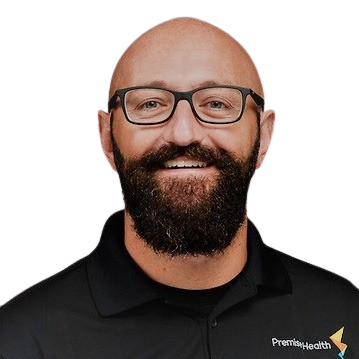
This three-hour continuing education seminar, taught by Dr. Adam Dell, provides an evidence-based exploration of the science and clinical application of Post-Traumatic Growth across diverse clinical settings. Drawing upon the pioneering work and insights of Richard Tedeschi, participants will examine the theoretical foundations of post-traumatic growth and distinguish it from resilience, recovery, and symptom reduction. The seminar will provide an in-depth overview of the five domains of post-traumatic growth and explore the mechanisms through which individuals construct meaning and transformation following adversity. Special attention will be given to key concepts including intentional rumination, the role of narrative reconstruction, and the emerging literature on vicarious post-traumatic growth among clinicians, caregivers, and helping professionals. Participants will also be introduced to the Post-Traumatic Growth Workbook as a practical clinical resource for facilitating growth-oriented interventions and conversations with patients navigating traumatic experiences.
Learning Objectives
Upon completion of this continuing education activity, participants will be able to:
- Describe the empirical foundations and theoretical model of post-traumatic growth as developed by Richard Tedeschi and colleagues.
- Identify and explain the five domains of post-traumatic growth and recognize manifestations of growth in clinical practice.
- Differentiate intentional rumination from intrusive rumination and evaluate their respective roles in facilitating psychological growth following trauma.
- Apply principles and exercises from the Post-Traumatic Growth Workbook to support clients in meaning-making, identity reconstruction, and growth-oriented therapeutic work.
- Examine the concept of vicarious post-traumatic growth and identify strategies for fostering growth among clinicians, caregivers, and other helping professionals exposed to trauma narratives.
Learning Objectives
Upon completion of this continuing education activity, participants will be able to:
- Describe the empirical foundations and theoretical model of post-traumatic growth as developed by Richard Tedeschi and colleagues.
- Identify and explain the five domains of post-traumatic growth and recognize manifestations of growth in clinical practice.
- Differentiate intentional rumination from intrusive rumination and evaluate their respective roles in facilitating psychological growth following trauma.
- Apply principles and exercises from the Post-Traumatic Growth Workbook to support clients in meaning-making, identity reconstruction, and growth-oriented therapeutic work.
- Examine the concept of vicarious post-traumatic growth and identify strategies for fostering growth among clinicians, caregivers, and other helping professionals exposed to trauma narratives.